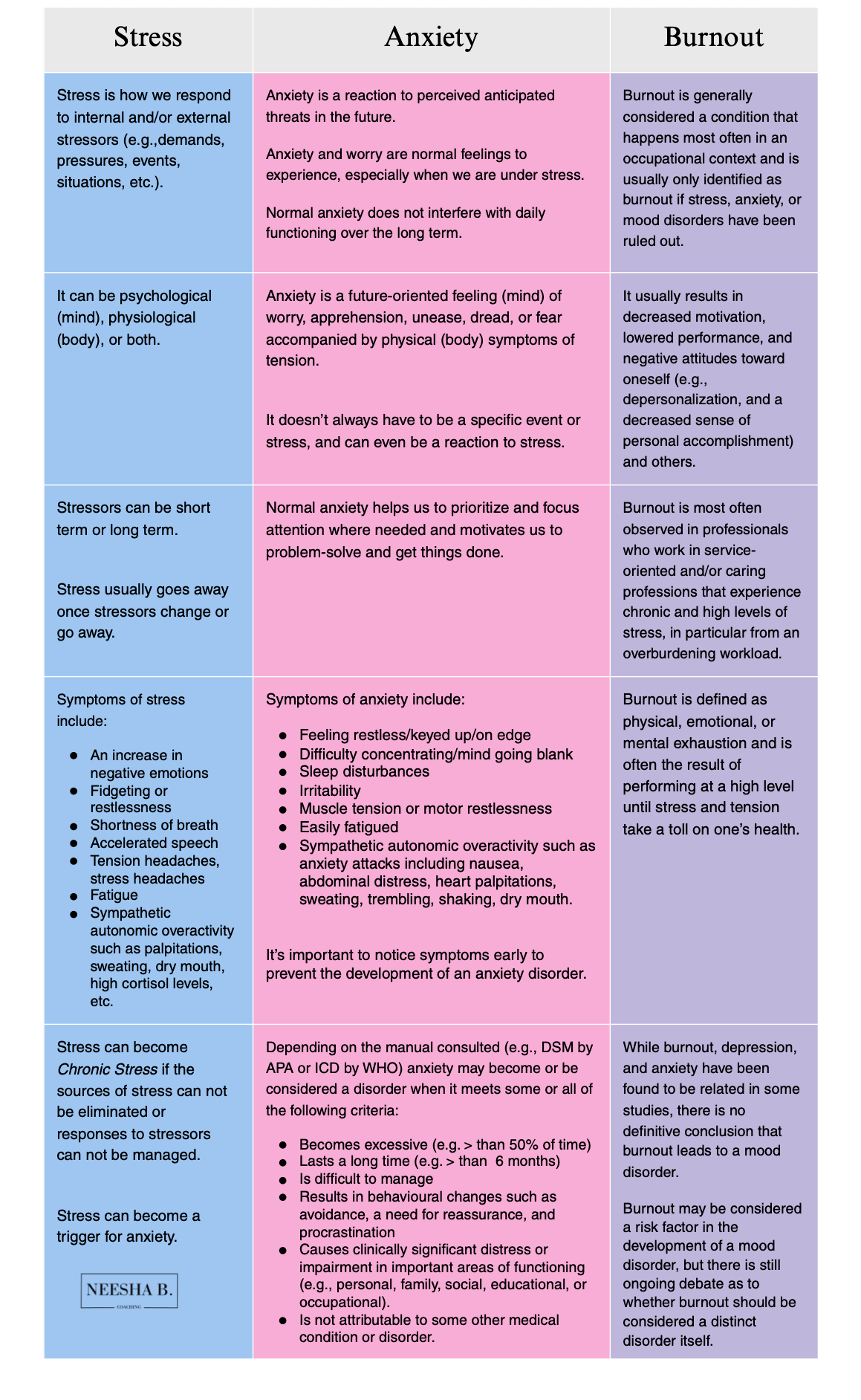
See also: Some Helpful Definitions

See also: Some Helpful Definitions


The holidays are supposed to bring joy, but between academic deadlines, packed social calendars, financial pressures, and family expectations, they often bring overwhelm instead. If you’re already feeling the strain, you’re not the only one.

Back when we were helping our toddlers learn to walk, we learned that letting go wasn’t about stepping away — it was about being close enough for them to know we were there. Parenting teens isn’t so different.

One of the trickiest parts of parenting an older teen is figuring out how to stay emotionally close when they’re pulling away to become their own person….
With the right blend of space and support, your daughter can come out of this summer not just recharged, but ready to take on her next year with more confidence, self-awareness, and maybe even a deeper appreciation for the quiet presence you’ve offered all along.

Even small, everyday moments of connection — a quick chat in the car, making a snack together, walking the dog — are meaningful. Studies continue to show that parent-child warmth remains a protective factor against mood challenges, even as independence grows.

Research has begun to underscore the importance of shifting from a narrow focus on distress reduction to actively promoting positive psychological qualities and resources. Expanding the definition of mental health to include well-being allows for a more comprehensive and effective approach to supporting adolescents.

Resilience isn’t about avoiding life’s difficulties; it’s about building the strength to navigate them thoughtfully. When you cultivate mindfulness, nurture supportive relationships, and embrace adaptability, you can strengthen your resilience and thrive in the face of adversity.